A partnership between AllOne Charities, the Hawk Family Foundation, and Integrative Mind and Body Services demonstrates how collaborative philanthropy can help promising ideas move from pilot programs to sustainable community resources.
Students cannot fully engage in learning when stress, anxiety, trauma, and other challenges stand in the way of their well-being. Integrative Mind and Body Services (IMBS) is working to address those barriers through Resilient Schools, an innovative program that brings technology-driven mental and physical wellness services directly to students and educational staff in Northeastern Pennsylvania schools. Following a successful pilot during the 2025–2026 school year, IMBS is preparing to expand the program into additional school districts and make its specialized services more accessible to the people who can benefit from them.
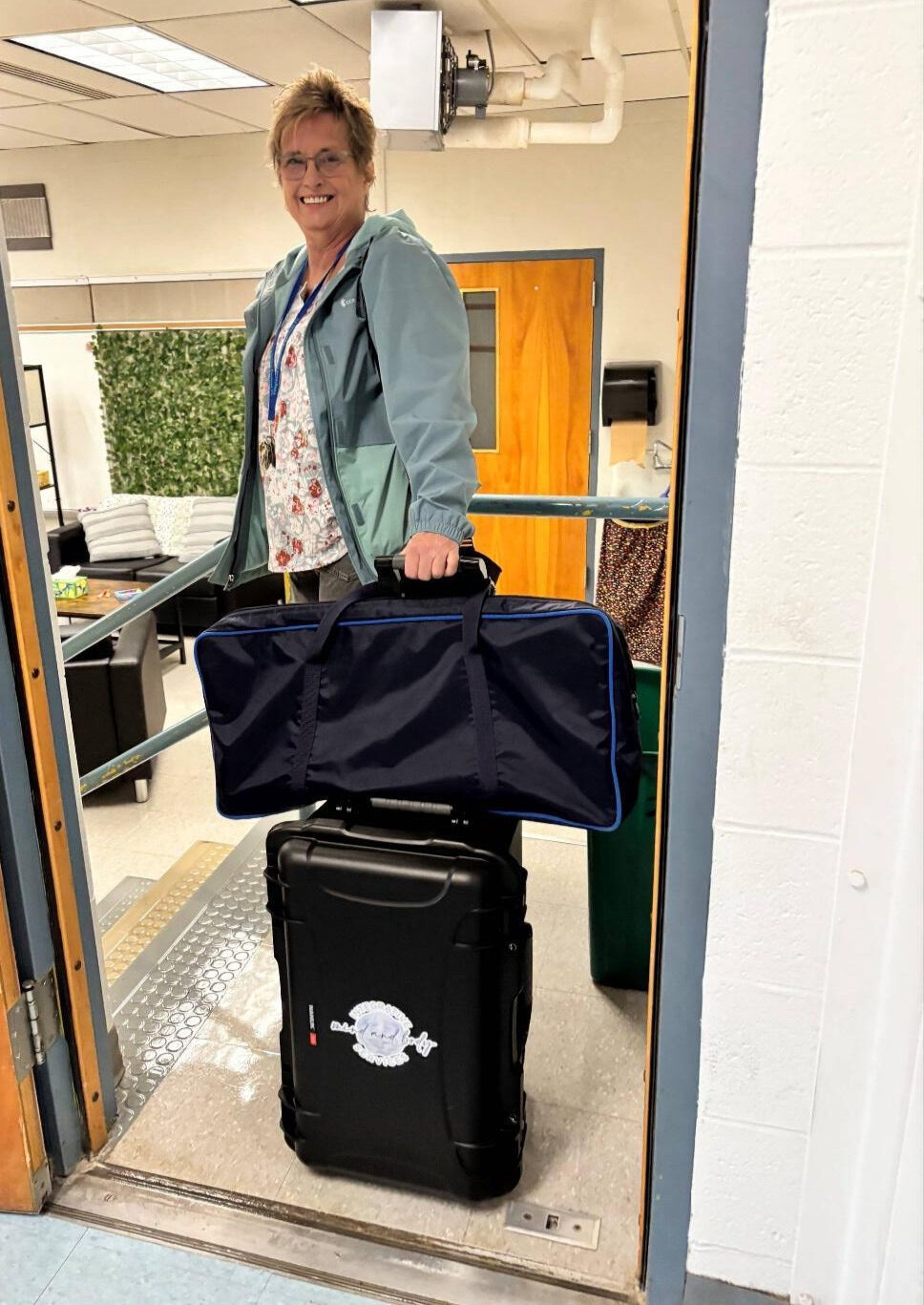
Supporting this next phase is a $27,000 collaborative investment from AllOne Charities and the Hawk Family Foundation. The funding has allowed IMBS to purchase bioregulation equipment that can be safely transported and operated within participating schools. Previously, students and staff interested in bioregulation therapy needed to travel to an IMBS office, creating transportation, scheduling, and geographic barriers. By bringing the equipment directly into schools, IMBS is developing a more accessible model that meets students and educators where they already spend much of their day.
The expanded Resilient Schools program is expected to serve North Pocono School District in Lackawanna County, Mountain View and Blue Ridge school districts in Susquehanna County, and an additional school in Lackawanna County. Students experiencing stress, trauma, anxiety, depression, emotional regulation difficulties, attention concerns, sleep issues, and other challenges will be the primary population served. Educational staff will also have access to services in recognition of the impact that workplace stress and burnout can have on their own well-being and the overall school environment.
A single system will rotate among participating schools, creating a shared regional resource. When the equipment is not being used in a school, it can be utilized at an IMBS office to expand treatment capacity for children, adults, and families. According to IMBS, the equipment manufacturer indicated that the organization would be the first in the United States to bring this specific bioregulation equipment directly into school settings. IMBS will track utilization, accessibility, participant satisfaction, and perceived benefits to help evaluate the model and inform future expansion.